
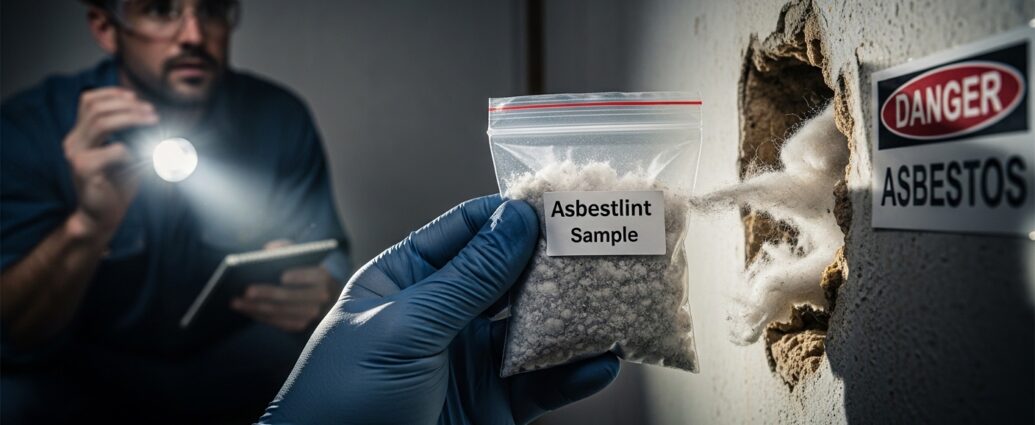
Asbestlint can be a hidden menace lurking within the walls and ceilings of your property. For many, the word “asbestos” brings to mind scary headlines and health threats. But what exactly is it? And why should you care? Asbestos has a long history as a popular construction material, but its dangers have become increasingly apparent over time. Understanding these risks is crucial for homeowners and employers alike.
In this article, we’ll dive into everything you need to know about asbestlint—from identifying its presence in your property to safely managing any risks associated with it. Whether you’re renovating an old building or simply want peace of mind, being informed is your best defense against this hazardous substance. Let’s explore how to keep yourself and others safe from potential contamination while navigating the complexities surrounding asbestos exposure.
What is Asbestos and Why is it Dangerous?
Asbestos is a group of naturally occurring minerals made up of thin, microscopic fibers. These fibers are heat-resistant and have excellent insulating properties, which made asbestos popular in a variety of construction materials.
However, its use comes with serious health risks. When disturbed, these tiny fibers can become airborne and easily inhaled or ingested. Once inside the body, they can lead to severe respiratory issues and diseases such as mesothelioma and asbestosis.
The danger lies not only in exposure but also in the long latency period for symptoms to appear. People may remain unaware of their exposure for decades before facing debilitating health consequences.
Knowing what asbestos is—and understanding its hazards—is vital for anyone dealing with older properties or renovations where it might be present. Awareness empowers you to take necessary precautions against this seemingly invisible threat lurking within your walls.
The History of Asbestos Use in Construction
Asbestos has a long and controversial history in construction. Its use dates back thousands of years, with ancient civilizations employing it for insulation and fireproofing materials.
In the 19th century, asbestos gained popularity during the Industrial Revolution. Builders admired its durability and resistance to heat. It became a go-to material for everything from roofing to flooring.
By the mid-20th century, asbestos was seen as a miracle substance. Manufacturers touted its benefits in various products, leading to widespread application in homes and commercial buildings alike.
However, this boom came at a cost. Health concerns began surfacing as reports linked asbestos exposure to serious respiratory diseases.
Eventually, regulations emerged across many countries. This shift marked a turning point in how industries approached safety concerning asbestos use in construction projects.
How to Identify Asbestos in Your Property
Identifying asbestos in your property can be challenging, especially since it was commonly used in various building materials. Start by inspecting areas built before the 1990s. This includes basements, attics, and older insulation.
Look for materials like textured ceilings, pipe insulation, or floor tiles. Asbestos often resembles other substances but has a fibrous texture that sets it apart. If you see any suspect material that appears damaged or crumbling, take note.
Avoid disturbing any potential asbestos-containing materials. Disturbance can release harmful fibers into the air.
When in doubt, consider hiring a professional inspector who specializes in asbestos testing. They have the expertise to identify and assess risks effectively.
Documentation is vital too; keep records of where potential asbestlint might be located within your property for future reference and safety measures.
The Risks of Exposure to Asbestos
Exposure to asbestos poses significant health risks, primarily due to its microscopic fibers. When disturbed, these fibers can become airborne and easily inhaled. Once inside the lungs, they can lead to severe respiratory conditions.
Asbestosis is one such disease that results from prolonged exposure. It causes lung inflammation and scarring, leading to breathing difficulties over time. Symptoms may not appear for years after initial exposure.
Another major concern is mesothelioma, a rare but aggressive cancer linked directly to asbestos contact. This form of cancer affects the lining of the lungs or abdomen and has a poor prognosis.
Even non-cancerous conditions like pleural plaques can arise from asbestos exposure, indicating past contact with this hazardous material. Understanding these risks emphasizes the importance of vigilance in managing areas where asbestlint might be present in older properties.
Managing and Removing Asbestos Safely
Managing and removing asbestos safely requires a strategic approach. First, always enlist the help of certified professionals. They have the training to handle hazardous materials properly.
Before any work begins, conduct an assessment. Understanding where asbestos is located in your property is crucial for effective management. This includes inspecting walls, ceilings, insulation, and flooring.
If removal is necessary, ensure that all occupants are evacuated from the area. Proper containment measures must be implemented to prevent fibers from spreading into other parts of the building.
Personal protective equipment (PPE) is essential for anyone involved in handling asbestos. Respirators and full-body suits can minimize exposure risks during removal processes.
Dispose of asbestos waste according to local regulations. Many areas require disposal at designated sites specifically designed for hazardous materials.
Following these guidelines helps create a safer environment while addressing potential dangers associated with asbestlint effectively.
Legal Responsibilities for Property Owners and Employers
Property owners and employers face significant legal obligations regarding asbestos management. The law requires that they take reasonable steps to identify, manage, and mitigate risks associated with this hazardous material.
If asbestos is present in a building, property owners must inform tenants or employees about its existence. Transparency is crucial for ensuring the safety of all individuals on the premises.
Furthermore, there are strict guidelines governing the removal of asbestos. Only licensed professionals should handle its abatement to minimize exposure risks. Failure to comply can lead to hefty fines or even lawsuits.
Regular inspections are also mandated by law. Property owners must routinely assess their buildings for any signs of deterioration in materials containing asbestlint. Keeping records of these assessments helps demonstrate compliance with regulations and protects against liability claims.
Understanding these responsibilities not only safeguards lives but also preserves property value over time.
Staying Safe from Asbestlint Contamination
Maintaining a safe environment is crucial, especially when it comes to asbestos. Awareness is your first line of defense against asbestlint contamination.
Conduct regular inspections of older properties. Look for signs like damaged insulation or worn-out materials that may contain asbestos. If you suspect the presence of asbestlint, don’t disturb it.
Use protective gear if you’re working in areas where asbestos might be present. Masks and gloves can help minimize exposure.
Consider hiring professionals for testing and removal tasks. They have the expertise and tools necessary to handle hazardous materials safely.
Educate everyone in your home or workplace about the risks associated with asbestlint. Knowledge empowers people to take action without unnecessary panic.
Ensure proper ventilation in enclosed spaces during renovation projects to reduce airborne fibers effectively. Taking these steps helps create a safer living space while managing any potential risks related to asbestos.
Conclusion
As the dangers of asbestlint loom over many properties, awareness and action are crucial for safety. Understanding what asbestos is and recognizing its historical role in construction can empower property owners to take necessary precautions. Identifying signs of asbestlint in your environment helps mitigate risks before they escalate.
Exposure to asbestos poses significant health threats, making it imperative that individuals know how to manage or remove it safely. Legal responsibilities exist not only for homeowners but also employers overseeing workplace environments where asbestlint may be present.
By staying informed about contamination risks and following proper management procedures, you can safeguard yourself and others from this hazardous material. Taking proactive steps ensures a healthier living space free from the lurking dangers associated with asbestos exposure.